Assertive Communication
Many people struggle to communicate clearly when conversations become uncomfortable, emotionally charged, or high pressure. Some people become overly accommodating, others become aggressive, and others avoid conflict altogether. This highly interactive course helps participants develop practical assertive communication skills for expressing needs, setting boundaries, responding constructively under pressure, and navigating difficult conversations more effectively.

A Practical, Human-Centered Approach to Assertiveness
Assertiveness is often misunderstood as being forceful, confrontational, or dominant. In reality, assertive communication involves balancing clarity, honesty, self-respect, and respect for others.
This training recognizes that communication is shaped by stress, past experiences, emotions, power dynamics, fears, habits, and social expectations. Participants develop practical tools for navigating these realities while communicating more intentionally and constructively.

When you're ready, here's how to join us:
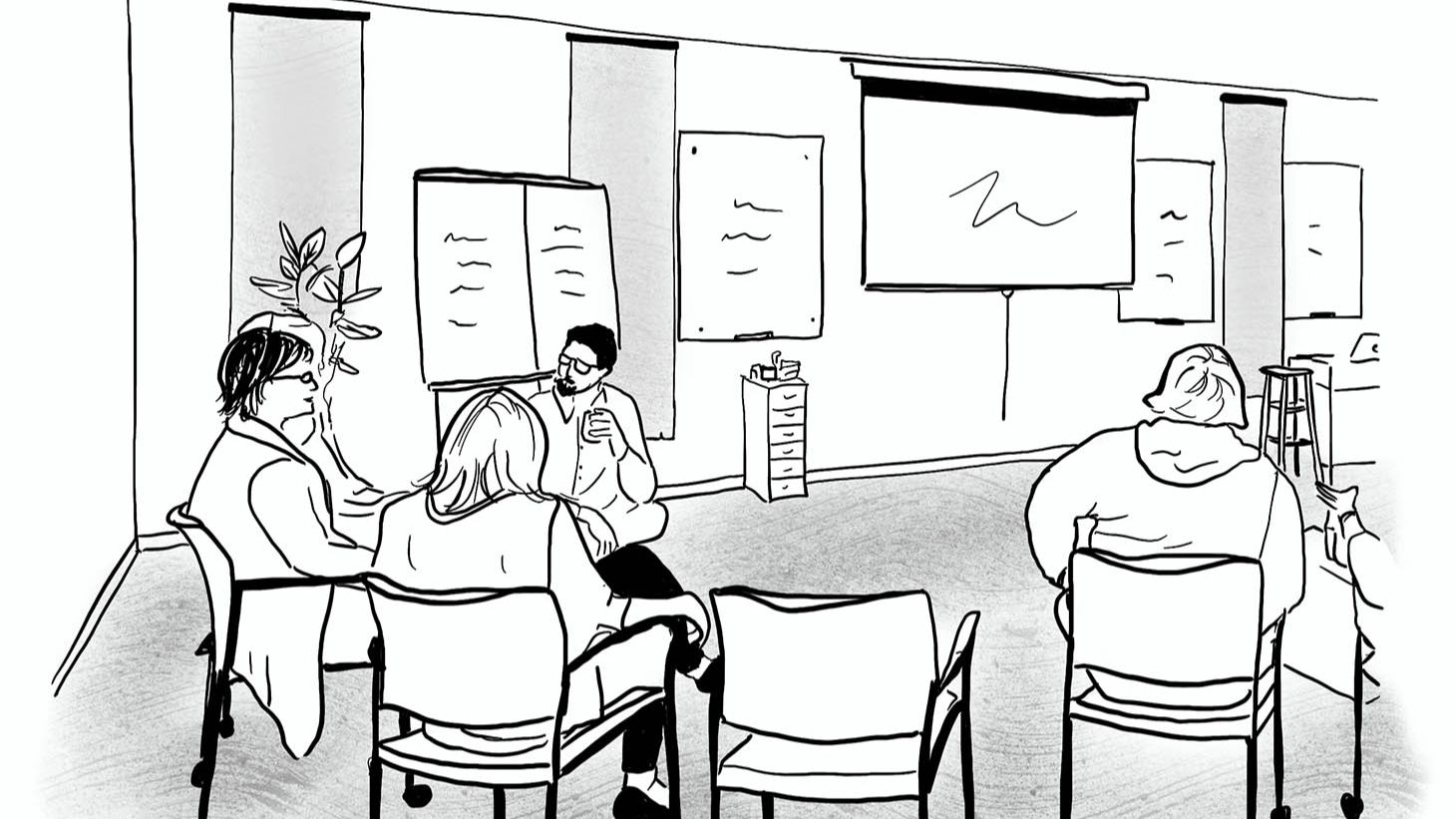
In-Person
1-Day, In-Person Workshop
Time: 8:30 AM – 4:00 PM
Location: 302-1200 Portage Avenue, Winnipeg, Manitoba
$339
This Course May Be Right for You If…
- You struggle to say “no” without guilt or anxiety.
- You avoid difficult conversations until frustration builds up.
- You find yourself agreeing to things you do not actually want to do.
- You want to communicate more clearly without becoming aggressive.
- You feel uncomfortable setting boundaries with others.
- You often leave conversations wishing you had said something differently.
- You want practical tools for responding to pressure, conflict, or emotionally charged situations.
- You are trying to balance honesty, respect, and self-advocacy more effectively.
- You want to become more confident asking for what you need.
- You are looking for practical communication skills you can apply immediately in everyday situations.

About This Course
Assertive Communication is an interactive, skills-based course designed to help participants communicate more clearly, directly, and confidently while still maintaining respect for themselves and others.
Participants will explore the patterns, habits, fears, and barriers that can make assertive communication difficult. The course examines common communication tendencies such as accommodating, avoidant, dominant, and assertive responses, while helping participants develop practical tools for navigating difficult conversations more effectively.
Course Objectives
Participants will:
- Build greater understanding of assertive communication and behaviour
- Explore personal communication patterns and responses under stress
- Identify common barriers to assertiveness and boundary-setting
- Develop practical skills for setting and maintaining healthy boundaries
- Practice asking clearly for what they need
- Learn strategies for saying “no” respectfully and effectively
- Explore approaches for responding to pressure, conflict, and inappropriate comments
- Practice communication tools for emotionally charged conversations
- Develop greater awareness of body language, emotional responses, and communication impact
- Build confidence communicating clearly, directly, and respectfully in difficult situations
Here’s what the learning experience looks like:
• A calm, supportive environment
• Short teaching segments with practical examples
• Time to reflect on your own real-life situations
• Opportunities to practice new tools in low-pressure ways
• Space for questions, discussion, and shared learning
You won’t be asked to perform or share anything you’re not comfortable sharing. The focus is on giving you realistic tools that you can carry back into your everyday conversations.

About Mediation Services
Mediation Services is a community-based charity in Winnipeg with over 45 years of experience helping individuals, workplaces, and families navigate conflict.
All revenue from training is reinvested into accessible community programs, making it possible for more people to receive support when they need it most.
Our approach is relational, trauma-informed, and grounded in real-world experience.
When you join us for training, you’re also supporting conflict resolution resources for the broader community.